
Boats and motors
Boat, Motor and Safety as One Kit
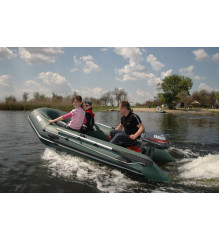
Boats and motors are not chosen separately from each other, but as one working system for specific water. One task is to move quietly along reeds on a small lake; another is to go out onto open water, hold course in waves, and carry two anglers, tackle, a fish finder, battery, anchor, and spare items. If the hull, load, and engine thrust do not match, fishing quickly turns into constant control problems.
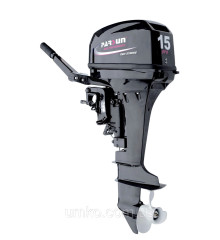
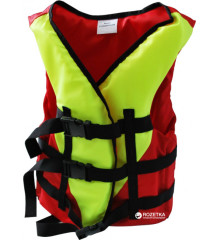
The FishMaster section includes boats, motors, safety vests, anchors, and drift socks. The category includes Finval and Tuna boats, Yamaha motors, Select and Sunline vests, and accessories that help stay safely on a spot, hold the boat in wind, and prepare the kit for a trip. That is why a boat and motor should be selected together with regard to fishing place, number of people, and equipment on board.
Where to Start When Choosing a Boat
The first reference point is water size. For small lakes, bays, and calm river sections, a compact boat is enough because it is easier to transport, launch, and store. For large reservoirs, wide rivers, or frequent trips in waves, hull length, stability, side height, and load capacity become more important. The more people and gear inside, the more carefully the useful load should be checked.
The second reference point is fishing method. For spinning, freedom of movement and a comfortable casting position matter. For trolling, stable movement, rod holder placement, and fish finder placement are needed. For feeder or float fishing from a boat, stability at anchor and proper tackle placement are more important. If you plan to buy a boat and motor for different tasks, it is better to allow a small reserve in size and power.
How to Match an Engine to the Hull
Boat motors are chosen by the transom's allowed power, kit weight, water conditions, and desired speed. An engine that is too weak will struggle to move a loaded boat, especially against wind or current. An engine that is too powerful can be excessive in weight, fuel use, and control requirements. It is important to follow the boat manufacturer's recommendations and not overload the transom.
For short runs on calm water, moderate power is enough. For longer distances, current, and frequent two-person fishing, a stronger thrust reserve is needed. Fuel, service, noise, motor weight when carrying, and storage space should also be considered. If you treat boats and outboard motors as a kit, plan in advance who will launch the boat, how the motor will be transported, and where it will be stored between trips.
Anchor, Vest and Details That Cannot Wait
Even a good hull and reliable engine do not close all safety questions. A safety vest is needed for every person on board, regardless of experience and water depth. An anchor helps hold the boat on a promising spot, while a drift sock or parachute slows drift in wind. These accessories are especially important when fishing open water, edges, reeds, or snag areas.
Before the first trip, it is useful to check:
allowed motor power for the selected boat;
total load including people, tackle, and battery;
vests in the correct sizes;
anchor, rope, mounts, and storage place;
boat compatibility with a fish finder, holders, and other equipment.
This check takes little time but helps avoid unpleasant surprises on the water. It is better to understand in advance where the anchor will lie, how the tank is fixed, where the battery will stand, and how quickly a vest can be reached than to solve this in the middle of the water. It is also worth leaving space for a dry bag, repair kit, and documents.
A Kit for Your Fishing Format
At FishMaster, you can choose boats and motors for bank trips followed by going onto the water, boat spinning, trolling, and family rest on the water. If a compact pair is needed, choose a hull that is easy to launch and an engine that is easy to carry. If fishing takes place over long distances, stability, power reserve, and space for electronics become more important.
For Kyiv, Kharkiv, Odesa, and other cities, the order is placed online with delivery across Ukraine. If you are looking for an online boat and motor store, start not with the most expensive model, but with real conditions: where you fish, how many people will be on board, how much gear you take, and whether a fish finder is needed. This makes it easier to buy a boat and motor that fit your fishing, not just look universal in the description.