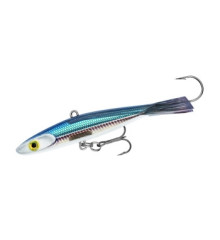
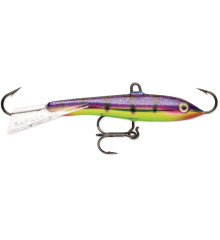
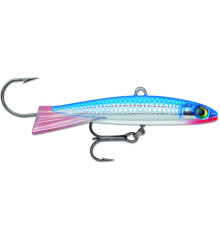
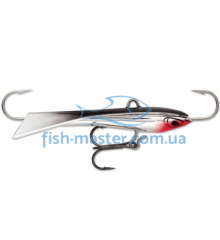
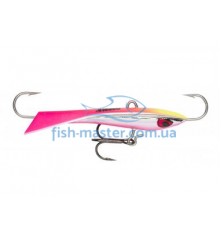
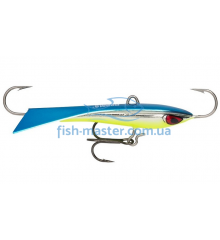
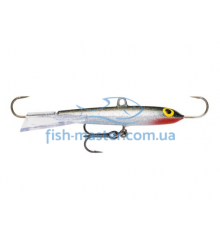
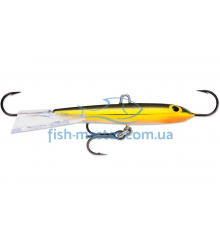
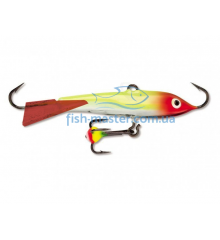
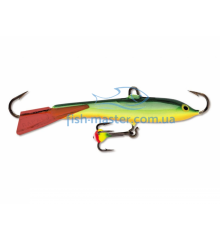
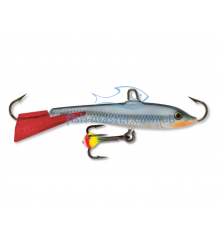
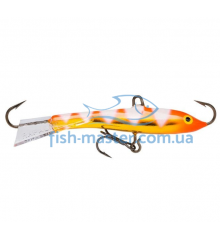
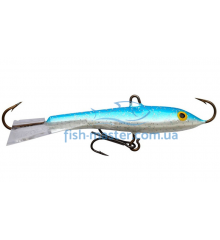
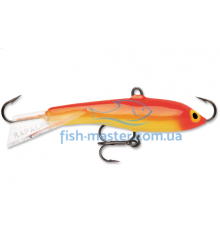
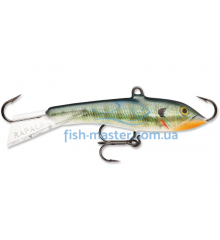
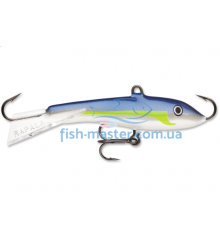
After a lift, the balancer should move aside and return under the hole. If it spins around its axis or falls over, the action is wrong. A damaged tail, wrong line tie, or caught treble hook can cause this. It is useful to check the action near the hole in shallow water.
For perch, anglers often start with small and medium sizes. When fish are active, a larger lure can help avoid tiny fish. In clear water, natural colors often work better. In cloudy water or twilight, bright and contrasting options are useful.
The reason may be the presentation, not the lure. Movements that are too sharp can scare passive fish. Sometimes you need to reduce amplitude, increase the pause, or change depth. If fish stay nearby but do not attack, a smaller size or different color can help.
The treble should be changed if it is dull, bent, or rusty. The bottom treble often determines hook-up success. Some anglers use a treble with a drop or bright point. But a hook that is too large can ruin the lure balance.
After fishing, balancers should be dried, especially if they were in a wet box. Treble hooks should not be left in water or snow. A damaged tail should be checked before the next trip. If lures are stored separately in cells, paint and hooks stay in better condition longer.
Enter your phone number
Product:
We will call you back and clarify the order details