
Covers, tubes for rods
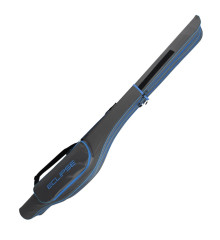
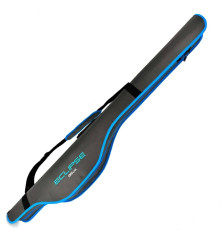
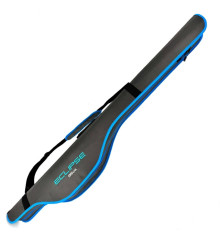
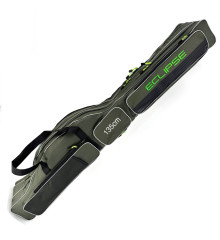
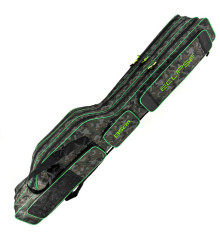
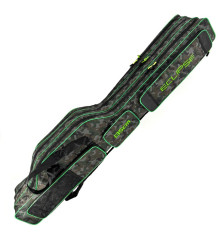
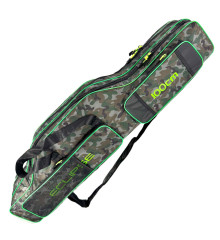
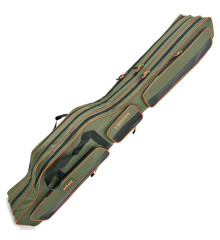
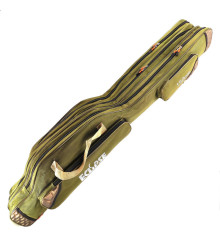
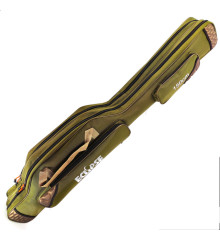
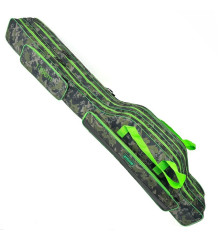
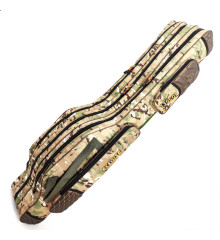
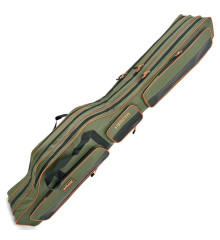
Rod Protection Starts Before You Reach the Water
Rod cases and tubes are needed not only for neat storage at home. Most rod damage happens on the way: in a trunk, in public transport, on the path down to the water, while carrying tackle through reeds, or while loading a boat. Guides catch on bags, tips take impacts, varnish gets scratched, and telescopic sections can suffer from pressure from other items.
FishMaster offers soft cases, hard tubes, models for rods with reels, and separate reel cases. The category includes Brain, Daiwa, EOS, Favorite, Prox, Savage Gear, Select, and Siweida products. That is why rod cases and tubes can be chosen for spinning, feeder, float tackle, spare tips, or a kit for a several-day trip.
When a Soft Case Works and When a Tube Is Better
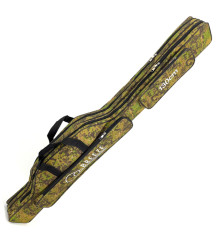
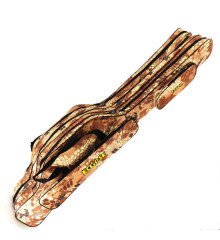
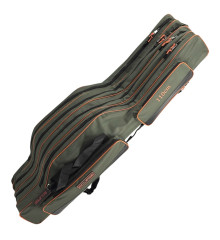
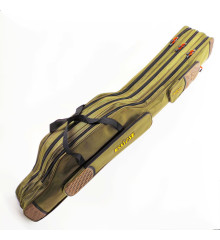
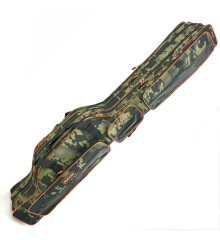
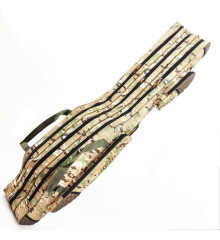
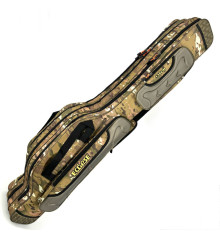
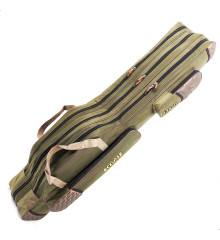
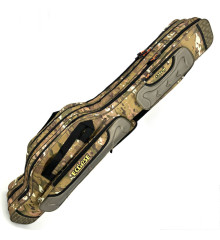
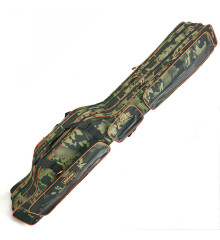
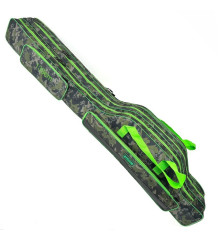
A soft case is convenient for short trips and careful transport in a car. It is lighter, takes less space, opens quickly, and fits assembled or partly assembled tackle. This option is often chosen for Favorite spinning rods, universal rods, feeder sections, and trips where rods are placed separately from heavy gear.
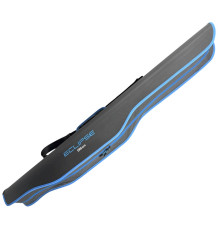
A tube is needed where rigid protection matters. It keeps its shape better, protects the tip from impact, and prevents other items from pressing on the blank. Hard Select models, Daiwa Stiff Bag, or Prox Rod Case are useful on long trips, public transport, storing several rods together, and situations where tackle may end up under a backpack, box, or bag. For expensive blanks, rod tubes and cases should be chosen with extra rigidity.
Length, Diameter and Reel Inside
The main parameter is rod transport length. If the case is shorter, sections will press against the edge and take load during every carry. If it is too long, tackle moves inside and the empty space makes packing less compact. The catalog includes sizes such as 110, 120, 130, 144, 150, and 160 cm, so it is better to measure the folded rod before ordering instead of using only the total blank length.
Diameter matters for a tube. A narrow option suits one slim spinning rod or spare tips; a wider one fits several sections or a rod with larger guides. If you transport a rod with a reel, choose a case with an expanded reel area. Reel In models save setup time, but require an exact understanding of which reel and handle will be inside.
What to Check Before Buying
Before buying cases and tubes for rods in Ukraine, lay out the tackle exactly as it will travel to the water. Separately check feeder tips, spare spinning rods, reels, landing net, and bank sticks. Sometimes one long hard tube and a separate reel case are more convenient; sometimes two soft cases for different kits work better.
Check several details:
inner length and reserve for rod sections;
wall rigidity and tip protection;
zipper, handle, and shoulder strap quality;
reel compartment or shaped reel area;
material that is easy to clean from sand and moisture.
If tackle often travels in a trunk with buckets, boxes, and a chair, rigid protection is the better choice. For walking routes, weight, a comfortable strap, and balance during carrying matter more. For home storage, models that do not take extra space and let you quickly find the needed kit are useful.
After rain or transport through wet grass, the case is best opened and dried. Moisture inside slowly damages fittings, dirties handles, and can leave odor in the fabric. Zippers should be cleaned from sand from time to time, and the shoulder strap should be checked before a long trip because it takes most of the load when several rods are carried.
A Kit for Different Rods
For one light spinning rod, a compact case is enough. For a feeder with several tips, it is better to choose an option with extra length and more reliable upper-section protection. For carp or long float rods, dimensions, rigidity, and carrying comfort from the car to the spot matter. If several rods are taken on a trip, cases and tubes help separate kits and avoid mixing sections.
At FishMaster, you can choose fishing rod cases and tubes for a short trip, long road, home storage, or transport of tackle with a reel. For Kyiv, Kharkiv, Odesa, and other cities, the order is placed online with delivery across Ukraine. If rod cases and tubes are needed in Kyiv or another city, focus on transport length, number of rods, and the protection level your kit needs.