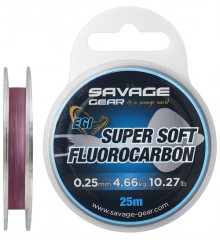
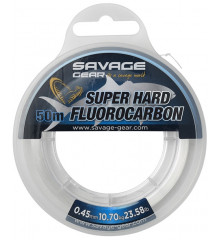
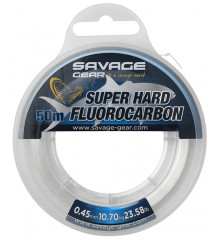
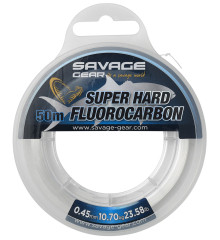
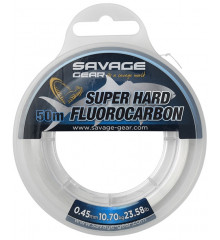
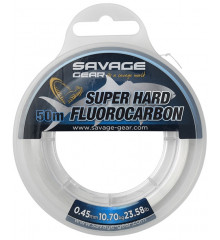
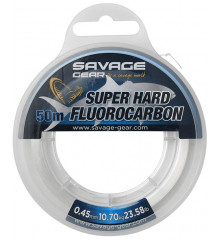
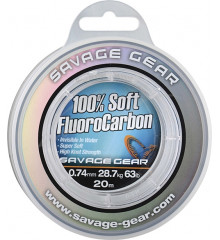
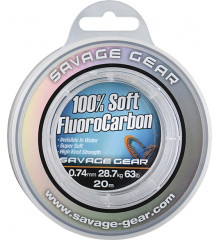
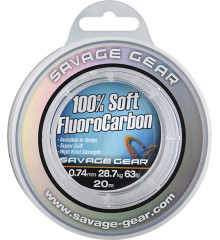
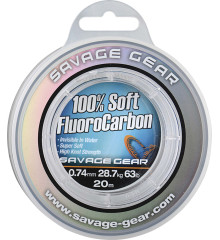
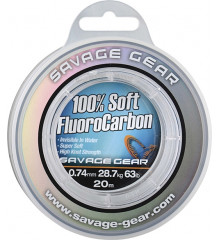
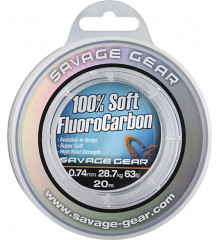
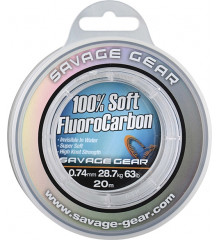
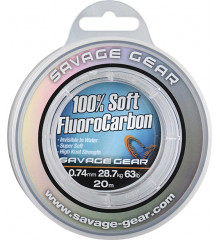
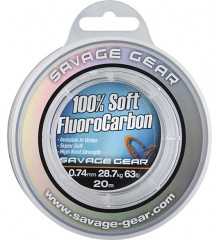
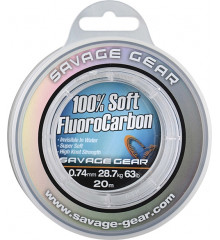
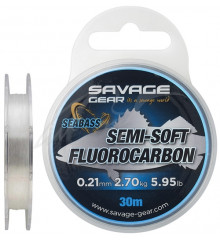
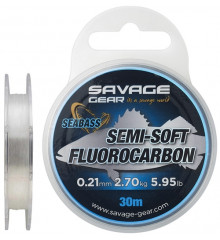
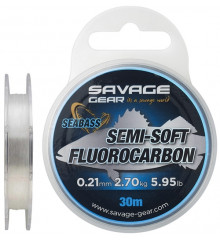
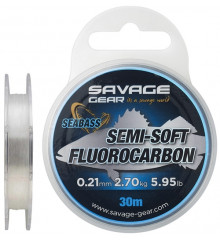
The secret lies in the light refractive index. Water is 1.33, while fluorocarbon is about 1.42 (nylon is up to 1.62). Because these indices are so close, light rays don't bend, and the line creates no glints. This makes it virtually invisible to wary fish even in crystal clear water. On a reel spool, it looks normal, but it practically "dissolves" when submerged.
Fluorocarbon is denser than nylon and resists teeth better, but it's not 100% bite-proof like steel. To prevent bite-offs, anglers use thick diameters (0.45–0.7 mm). Even with surface damage, it maintains integrity, helping land the fish. Always check the leader for nicks after a pike strike and replace it if damaged.
For braid-to-leader connections, the Mahin (Carrot) and Albright knots are best as they pass smoothly through guides without hitting the spool lip. For hooks, use Palomar or Clinch knots. The key is to wet the knot thoroughly before tightening to prevent overheating and weakening the material. A proper knot ensures reliability during a fight.
Pure fluorocarbon (PVDF) is completely invisible, stiff, and abrasion-resistant. "Fluorocarbon coated" line is just nylon with a thin layer on top. It's cheaper and softer but absorbs water and is visible. For leaders, buy 100% fluorocarbon; use hybrids as main line when you need to protect the spool winding from rocky abrasion.
The high price is due to expensive raw materials (PVDF) and complex manufacturing. Unlike nylon, fluorocarbon doesn't degrade under UV rays or lose strength from water absorption. One spool can last several seasons. It's a wise investment that saves lures from bite-offs and increases strike rates due to its underwater invisibility.
Enter your phone number
Product:
We will call you back and clarify the order details