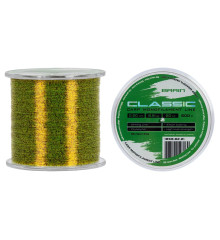
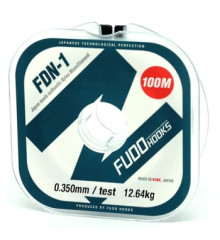
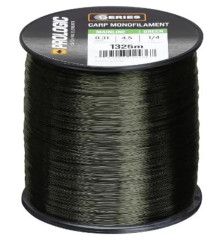
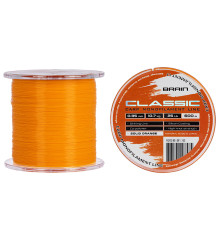
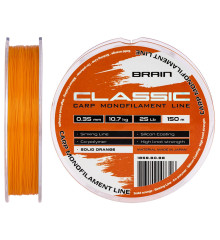
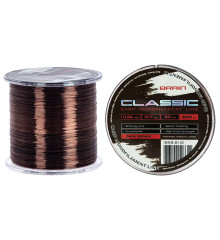
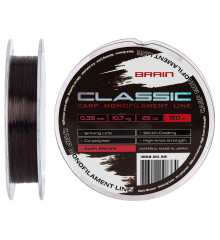
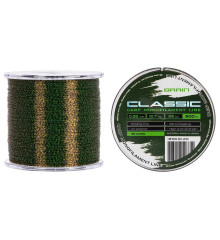
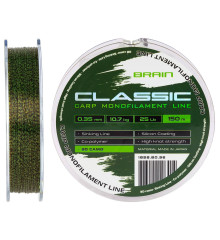
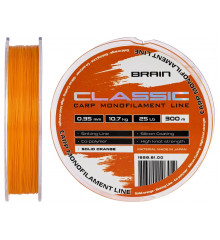
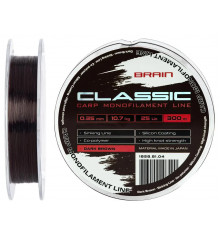
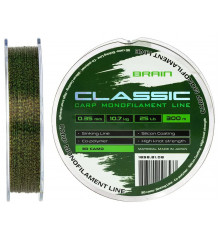
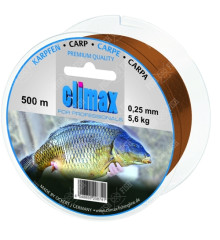
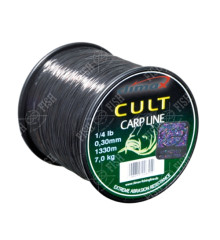
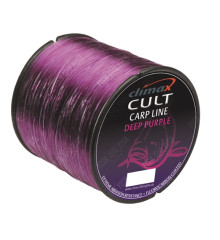
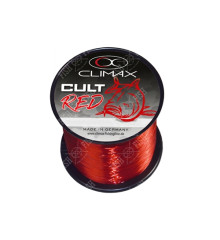
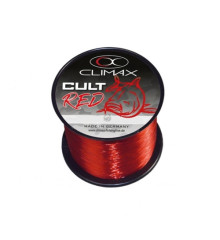
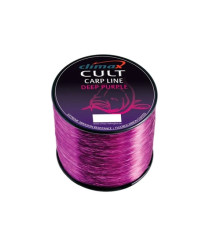
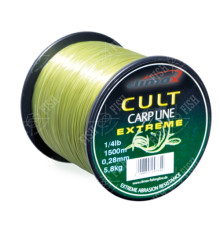
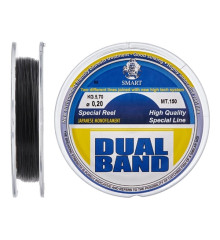
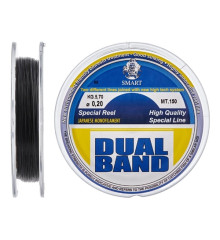
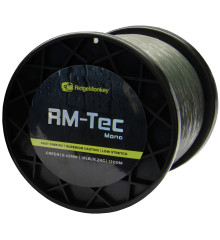
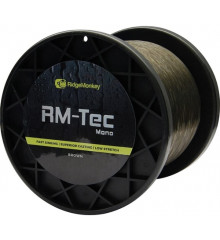
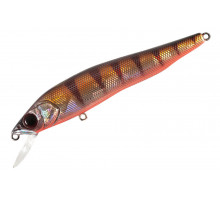
The main advantage is its stretch, which cushions a fish's lunges. This reduces the risk of line breaks and hook pulls when fighting fish with soft mouths (perch, bream). Monofilament is also cheaper, more abrasion-resistant, and absorbs almost no water. In float and short-range feeder fishing, mono is often more effective than braid due to its elasticity.
"Memory" is the line's tendency to maintain a coiled shape after leaving the reel spool. High-quality lines have low memory; they straighten quickly under the weight of the lure. High-memory line tangles easily and reduces casting distance. When choosing, prioritize soft series that don't "spring" when coming off the spool.
Nylon ages due to UV rays, temperature shifts, and mechanical stress. Even with infrequent use, the line loses knot strength and becomes brittle. It is recommended to replace the main line once a season and the leader material as it wears out. Fresh line on the spool ensures your gear won't fail during a critical fight with a trophy fish.
Regular line often floats, causing wind and current to create a "bow" in the line. Sinking series are denser than water; they cut through the surface quickly and stay submerged. This provides direct contact with the bait and better bite detection. Having a sinking line on your spool keeps the rig sensitive even in windy conditions.
Store your line in a cool, dark place away from direct sunlight and heat. UV rays damage nylon at a molecular level. If the line stays on the reel spool, rinse it with fresh water after the season to remove dirt and salt residues. These simple steps will preserve the line's breaking strength and elasticity until the next season.
Enter your phone number
Product:
We will call you back and clarify the order details