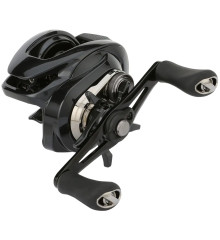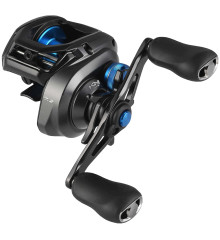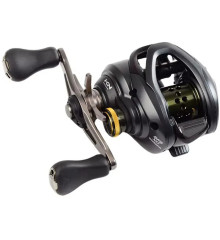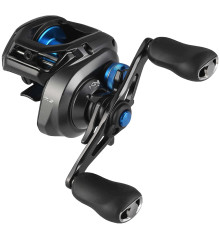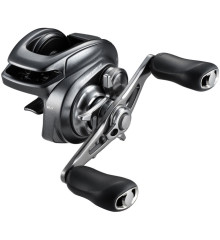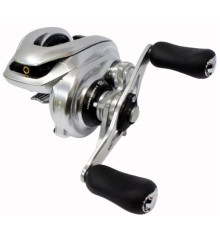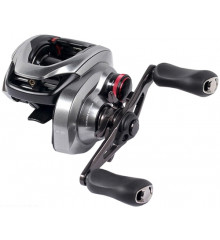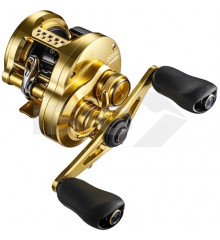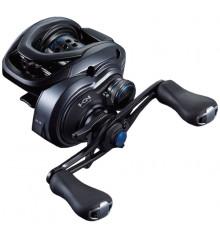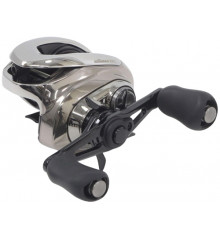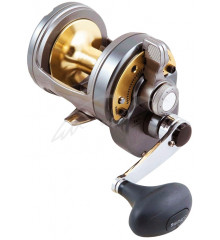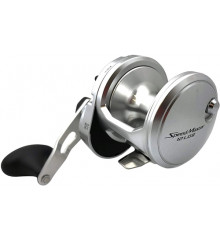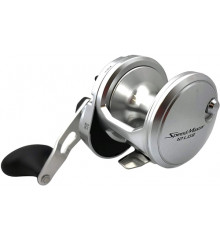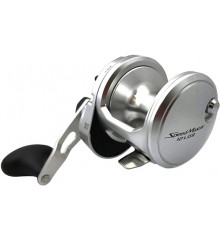
The magnetic system acts on the spool constantly, making it ideal for "catchy" lures and windy conditions. Centrifugal brakes engage only at peak spool revolutions, allowing for maximum free flight in the final trajectory phase. Magnetic brakes are easier to adjust externally, while centrifugal ones help achieve record distances with compact jigs or spoons.
The tension knob adjusts the spool's lateral play and prevents inertial overspin when the lure hits the water. It is a basic safety feature adjusted for each lure's weight before fishing. If it's too tight, casting distance drops; if too loose, the risk of a "bird's nest" increases due to the massive spool's inertia.
An overrun (bird's nest) happens when the spool rotates faster than the line is being pulled out, causing tangles. To avoid this, you must adjust the brakes to the lure's weight and use a smooth casting technique. Experienced anglers control the spool rotation by gently thumbing it during the final phase of the cast.
The reel is mounted on top, so the rod needs a "trigger" on the handle for a secure one-handed grip. Guides on a casting rod are smaller and placed closer to the blank to distribute the load correctly. Using a baitcaster on a regular spinning rod is inconvenient and can damage the guides due to incorrect force distribution.
The line is wound directly onto the spool without bending over a roller, turning the reel into a powerful winch for heavy jigging and jerking. Baitcasters are more reliable than spinning reels for high-resistance lures because the mechanism handles axial loads better. Additionally, this design provides direct tactile contact with the lure for superior sensitivity.
Enter your phone number
Product:
We will call you back and clarify the order details