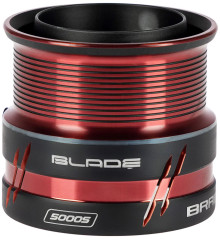
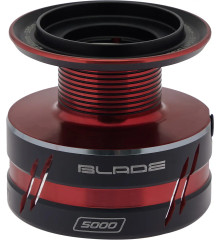
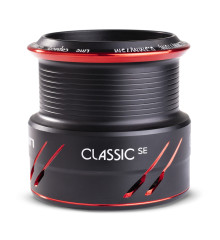
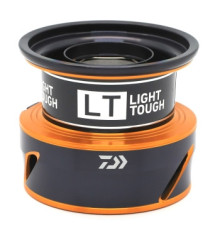
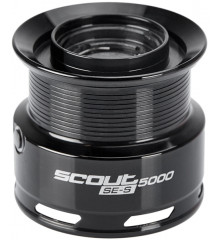
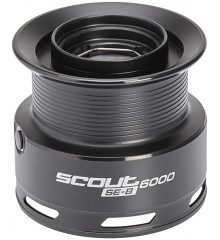
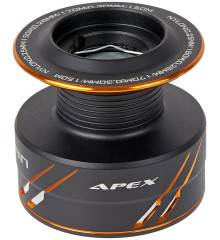
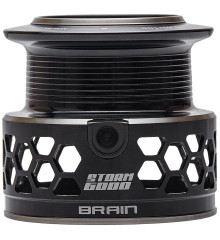
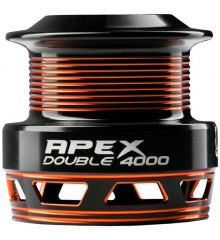
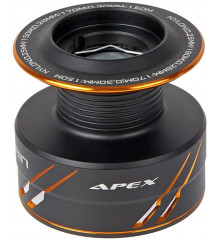
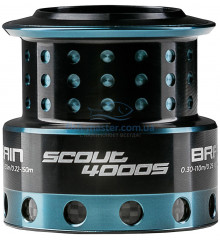
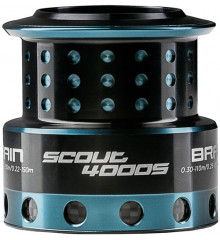
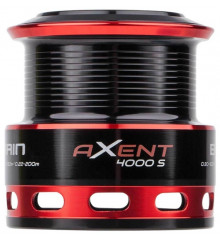
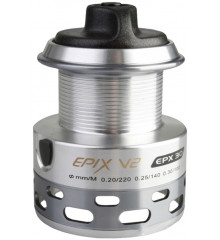
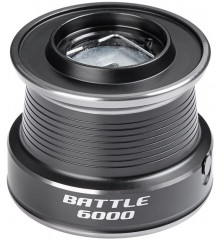
To remove the spool from the reel, first loosen or completely unscrew the friction brake located on top of the reel. After that, the spool can be easily removed from the axle. When removing it, it is important to proceed carefully so as not to damage the reel components or lose small parts. This procedure is necessary for cleaning, lubricating, or replacing the spool. Regular maintenance helps keep the reel in good condition and extends its service life.
The spool is a key component of the reel, onto which the line or cord is wound. It can come in various shapes and sizes, which affects the casting distance and quality. There are standard, shallow, and deep spools, each of which is suitable for a specific fishing style and type of line. The choice of spool affects not only the capacity but also the behavior of the line during casting. A high-quality spool ensures even winding and minimizes the risk of loops forming.
The size of the reel spool affects casting distance, line capacity, and winding speed. A larger spool allows you to use more line and make longer and more accurate casts. Smaller spools are more often used for light tackle and short-distance fishing. The size of the spool also determines how evenly the line is laid, which is especially important for preventing loops and knots. The right spool size helps increase fishing efficiency and adapt the tackle to specific conditions.
The size of the reel spool is usually indicated by numbers, such as 2500, 4000, and so on. These designations roughly indicate the capacity of the spool and its approximate diameter. The larger the number, the more line can be wound onto the spool and the further the bait can be cast. The size of the spool also affects compatibility with different types of line and reels. The choice of spool size depends on the style of fishing: small sizes are suitable for light tackle, while large sizes are suitable for heavy and long casts.
Yes, one spool can be used for different types of line, but it is important to consider the diameter and winding characteristics. For example, braided line requires backing to prevent slippage. For monofilament line, it is important to have a tight and even spooling. Some anglers prefer to have several spare spools with different types of line so that they can quickly adapt to fishing conditions. This approach makes the tackle more versatile and allows you to quickly change your fishing style without completely rewinding the line.
Enter your phone number
Product:
We will call you back and clarify the order details