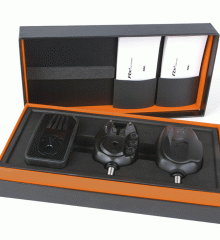
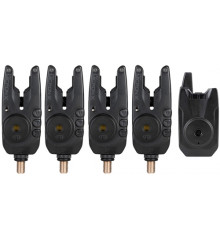
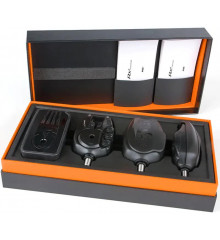
A bite alarm is an electronic or mechanical device that notifies the angler of line tension or slackening. Electronic models detect line movement via a special roller or sensor, providing both audio and visual signals. This allows you to avoid constantly staring at the rod tip, which is especially important during long carp sessions, night fishing, or when fishing with multiple rods simultaneously.
Most models are turned on by long-pressing the power button (Power) or using a toggle switch on the body. Once turned on, the device usually emits a short beep. Using buttons marked V (Volume), T (Tone), and S (Sensitivity), you can adjust the device to suit your fishing conditions. High sensitivity is needed in calm water, while low sensitivity is best during strong winds or currents to avoid false alarms.
The assembly process begins with checking the batteries: ensure that the batteries (often 9V "PP3" or AAA) are installed with the correct polarity. If you are using an electronic alarm together with a mechanical indicator (swinger or bobbin), the swinger connects to a special port (2.5mm Jack) at the bottom of the electronic device's housing. This provides light indication on the mechanical sensor at the moment of a bite.
All bite alarms feature a standard metal thread that screws into the top of a single bank stick, tripod, or rod pod buzz bar. For secure fixation and proper positioning (facing the angler), it is recommended to use a locking nut or a quick-release adapter. Once tightened, the device should stand rigidly without rotating when the line is tensioned.
To check, turn on the device and gently run a piece of fishing line or your finger over the alarm roller, simulating a fish pull. The device should instantly respond with sound and a flashing LED. Also, check the connection range with the receiver (pager) if included: walk 10–20 meters away and ensure the signal is duplicated on the receiver without delays.
Enter your phone number
Product:
We will call you back and clarify the order details