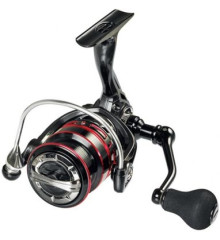
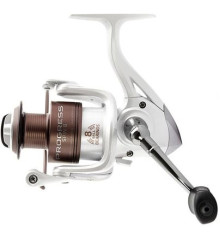
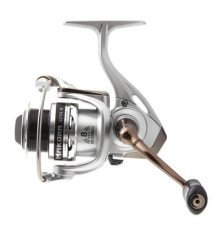
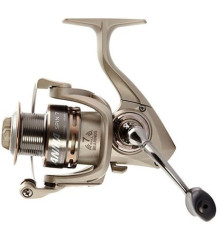
The main criterion is tackle balance, where the center of gravity is near the grip. For Ultralight rods, sizes 1000–2000 are ideal; for Medium rods, 2500–3000 are best. A reel that's too heavy for a light rod reduces sensitivity and causes discomfort. Choosing the right size directly affects casting distance and prevents wrist fatigue during a long day on the water.
Wind knots occur when the line is wound onto the spool unevenly or too loosely, often during jerking retrieves. High-end reels minimize this risk with advanced oscillation systems. Overfilling the spool too close to the lip can also cause this. To avoid issues, leave a 1.5–2 mm gap from the spool lip and ensure proper line tension during winding.
For spinning, front drag located on the spool is the absolute standard. This design is more reliable, more precise to adjust, and allows for a lighter overall reel weight. Front drags feature larger washers, ensuring smooth line release during sudden fish runs. This is vital when using thin PE lines that can snap if the mechanism hitches even slightly.
Bearing quality and placement are more important than the total count. For smooth operation, 4–5 high-quality bearings in key spots (main gear and line roller) are sufficient. Premium models may have 9 or more for exceptional smoothness. A budget reel labeled with "10 bearings" is often inferior to a branded one with 4, so prioritize brand reputation over numbers.
Spinning reels are highly versatile and can be used successfully for float or light feeder fishing. They excel at casting light rigs and fighting medium-sized fish. However, they aren't designed for the extra-heavy loads used in carp fishing. Constant overloading will quickly wear out the gears. As long as the weights don't exceed your rod's rating, such a reel is an excellent universal tool.
Enter your phone number
Product:
We will call you back and clarify the order details