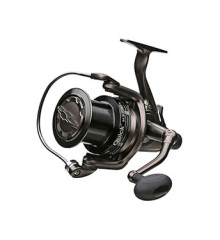
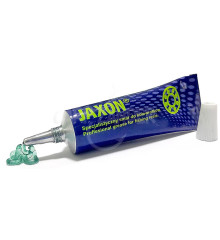
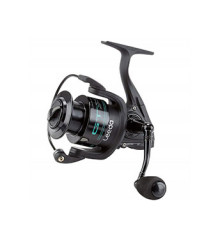
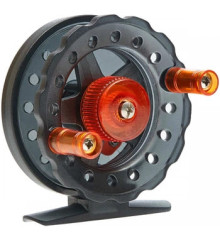
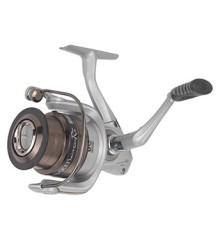
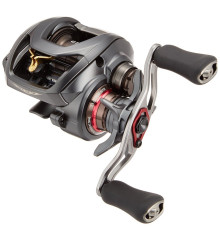
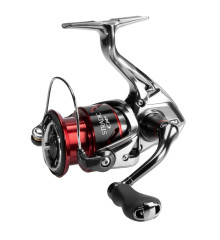
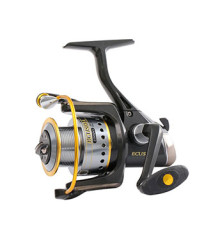
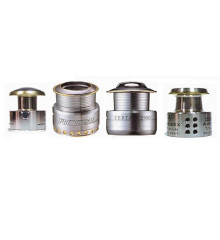
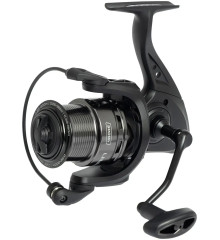
For long-lasting and stable operation of your tackle, it is important to know what to lubricate fishing reels with. It is recommended to use special lubricants that reduce friction, protect against corrosion, and extend the service life of mechanisms. You can find suitable options in the reel lubricant section on our website. There you will find high-quality compounds developed specifically for fishing reels. Do not use universal oils or automotive lubricants, as they can damage sensitive parts and reduce the efficiency of the reel.
Using a fishing reel is not difficult, but it requires precision. Before casting, you need to flip the bail (for a spinning reel) while holding the line with your finger. After casting, the bail returns to its original position, and you can begin reeling in or casting. It is important to control the tension of the line and avoid sudden jerks to prevent tangles and damage. When reeling in a fish, adjust the drag so that the line does not break during strong jerks. Following these rules will ensure smooth reel operation and comfort while fishing.
To wind the line onto a fishing reel, you need to secure the end of the line to the spool (usually using an arbor knot), then pull the line tightly and evenly while turning the reel handle. It is important to ensure that the coils lie flat, without crossing or gaps. It is best to use an assistant or a special device to control the tension. If the line is wound too loosely, loops and line slack may occur, and if it is wound too tightly, the reel components may wear out. A properly wound line ensures long casts and stable tackle performance.
The numbers on a fishing reel indicate the model's main technical characteristics. They usually indicate the gear ratio (e.g., 5.2:1), spool capacity (e.g., 0.25 mm/200 m), and maximum drag load. The gear ratio shows how many turns the spool makes per turn of the handle—the higher it is, the faster the reel. The spool capacity indicates how much line of a certain diameter can be wound onto the spool. These parameters help anglers choose the reel that is best suited to their fishing style and the conditions of the water body.
Disassembling a fishing reel requires care and attention. First, remove the spool, then disconnect the handle and body covers. When disassembling, it is important to remember the order of the parts and, if necessary, take photos of each stage. Once you have access to the internal mechanisms, clean and lubricate them. Only use special lubricants to avoid damaging the reel components. If you have no experience, it is better to entrust the maintenance to professionals to avoid mistakes and preserve the performance characteristics of the tackle.
Enter your phone number
Product:
We will call you back and clarify the order details